

The Ultimate Guide to Installing and Updating Software on Windows 11
The Importance of Keeping Your Software Updated
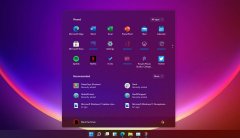
In today’s fast-paced technological landscape, keeping your software updated is paramount. Not only does it enhance performance, but it also ensures your system’s security. Windows 11, the latest operating system from Microsoft, offers a seamless approach to software management.
Getting Started: What You’ll Need
Before diving into the installation and update processes, ensure you have a stable internet connection and sufficient disk space. Some software installations may require more space than you anticipate.
Step 1: How to Install Software on Windows 11
To install a new application, follow these simple steps:
- Open the Microsoft Store or visit the official website of the software you wish to download.
- Click on the download button to initiate the download.
- Once downloaded, locate the file in your Downloads folder and double-click to run the installer.
- Follow the on-screen instructions to complete the installation process.
Step 2: Updating Existing Software
Updating your applications is equally crucial. Here’s how to do it:
- Open the Microsoft Store on your Windows 11 PC.
- Navigate to the “Library” section.
- Click on “Get updates” to automatically check for updates for all installed apps.
- Alternatively, you can manually update your applications by launching them and checking for update prompts.
Using Third-party Tools for Efficient Management
While Windows 11 provides built-in tools for software management, various third-party applications can streamline the process even further. Tools like Ninite and SUMo allow you to manage multiple installations and updates from a single interface.
Ninite: Simplifying Software Installation
Ninite is an excellent tool for installing multiple applications simultaneously. Simply select the applications you wish to download, and Ninite will handle the installation process without unnecessary prompts.
SUMo: Keeping Your Software Updated
SUMo monitors your installed software and alerts you to updates. This proactive approach ensures your system remains current with the latest features and security patches.
Best Practices for Software Management
To optimize your software management, consider these best practices:
- Regularly check for updates, ideally once a week.
- Uninstall outdated or unused applications to free up space.
- Read reviews and verify the authenticity of software before installation to avoid malware.
Conclusion
By mastering the installation and update processes on Windows 11, you’ll enhance your system's functionality and security. Whether through the Microsoft Store or trusted third-party tools, keeping your software up-to-date is an essential aspect of system maintenance.
免责声明:All articles and pictures on this site are from user sharing and Internet collection. The copyright of articles and pictures belongs to the original author and original source. They are for learning and reference only. Please do not use them for commercial purposes. If your rights are damaged, please contact the website customer service.
Related articles
-

A Complete Guide to
Learn how to customize your Windows system effectively to enhance your user experience. Follow our complete guide for tips and software recommendation...
2026-08-01 -
Maximize Your PC's E
Discover downloadable tools that can help maximize your PC‘s efficiency. Optimize performance and manage your system with ease
2026-08-01 -
The Best Software Ap
Explore the best software apps to download for your home office setup. Maximize productivity with these essential tools
2026-08-01 -
Unlock the Full Pote
Explore must-have software tools to optimize your Windows PC performance
2026-08-01 -
Mastering Windows In
Learn how to install Windows efficiently with our step-by-step guide. Perfect for beginners looking to understand system setup and software downloads
2026-08-01