


Mastering System Updates: Your Ultimate Guide to Windows Software Updates
Why Keeping Your Windows Software Updated is Essential
In today's digital age, keeping your Windows software updated is not just a matter of convenience but a necessity. Regular updates provide essential patches that enhance security, improve performance, and introduce new features that can significantly elevate your user experience. In this guide, we’ll walk through the best practices for managing system updates, utilizing tools, and downloading necessary software to keep your computer running smoothly.
Understanding Windows Updates
Windows updates are categorized into different types: feature updates, quality updates, driver updates, and optional updates. Feature updates are released twice a year, containing new features and enhancements, while quality updates are released monthly to fix bugs and security issues. Driver updates ensure that your hardware components communicate effectively with your operating system.
How to Check for Updates
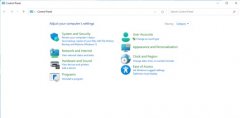
To check for updates on Windows, follow these steps:
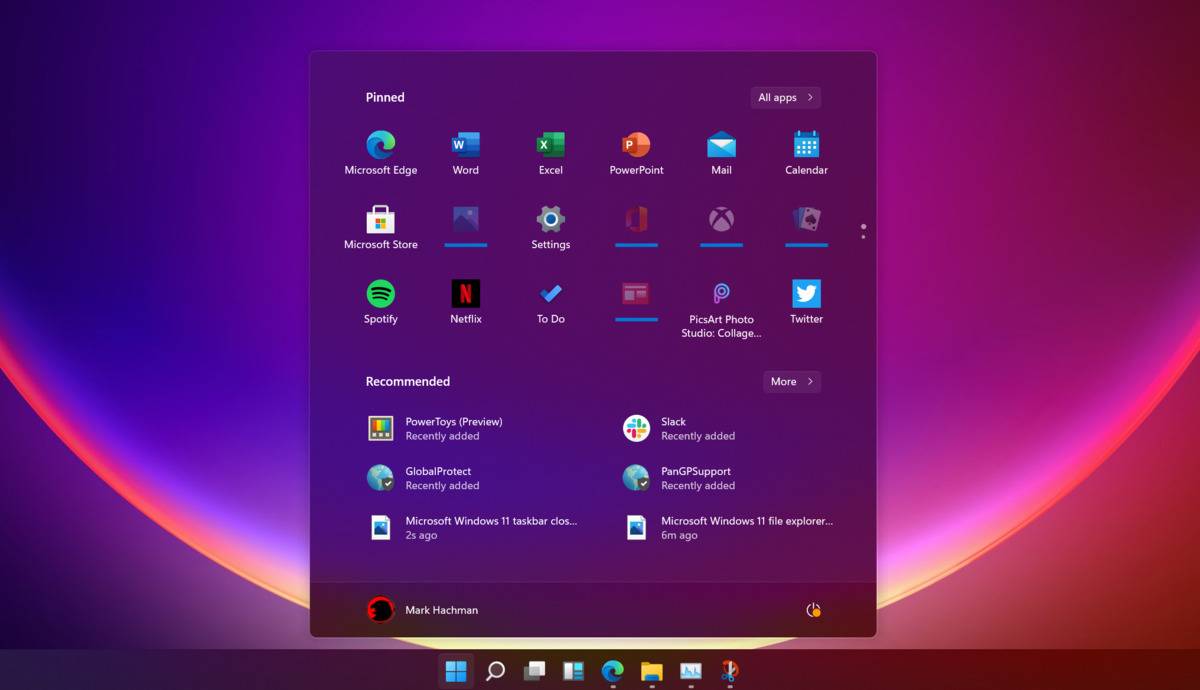
- Click on the Start button.
- Go to Settings.
- Select Update & Security.
- Click on Windows Update and then select Check for updates.
This process will ensure that your system is up-to-date with the latest features and security patches.
Tools to Manage Your Software Updates
There are several tools available that can help you manage your software updates more efficiently. Here are some of the most popular:
1. Windows Update Assistant
This built-in tool allows users to manually install the latest version of Windows. If your device is compatible, the Assistant will guide you through the installation process, ensuring that you have the latest features and security improvements.
2. Third-Party Update Managers
Applications like Patch My PC or Ninite can help automate the update process for third-party software installed on your system. They allow you to batch install updates for multiple applications simultaneously, saving you time and ensuring your software remains current.
Downloading and Installing Software Updates
When it comes to downloading and installing software updates, it's crucial to follow best practices to avoid potential issues:
1. Always Use Official Sources
Only download software updates from official websites or trusted sources. This helps to avoid malware or unwanted software that can harm your computer.
2. Backup Your System
Before installing significant updates, it’s wise to back up your system. Use Windows Backup or other backup software to secure your important files and settings.
3. Read Release Notes
Before applying updates, take a moment to read the release notes. These notes provide essential information about what changes or improvements the update includes.
Troubleshooting Update Issues
Sometimes, users encounter problems while updating their systems. Here are a few common issues and how to resolve them:
1. Update Fails
If an update fails to install, run the Windows Update Troubleshooter. This tool can identify and fix common issues related to Windows updates.
2. Slow Installation
If updates are taking longer than expected, ensure that your internet connection is stable and that your system has enough storage space for the updates.
Conclusion
Managing system updates for your Windows software doesn’t have to be a daunting task. By understanding the types of updates available, utilizing effective tools, and following best practices for downloads and installations, you can ensure that your system remains secure and performs optimally. Remember, regular updates are key to a smooth computing experience. For more tips and tutorials, stay tuned to Drisano.com!
免责声明:All articles and pictures on this site are from user sharing and Internet collection. The copyright of articles and pictures belongs to the original author and original source. They are for learning and reference only. Please do not use them for commercial purposes. If your rights are damaged, please contact the website customer service.
Related articles
-

Essential Steps to S
Learn essential steps to safeguard your Windows system against common security threats. Protect your data and maintain system integrity with these tip...
2026-08-24 -
Unlocking the Full P
Discover essential software tools to optimize your Windows system. Learn where to download, how to install, and tips for updates
2026-08-24 -
How to Update Your W
Learn how to easily update your Windows operating system with our step-by-step tutorial
2026-08-24 -
How to Keep Your Sof
Learn how to efficiently keep your software updated on Windows to enhance security and performance. Follow our detailed guide for best practices
2026-08-24 -
Master Your Windows
Discover the must-have tools for installing and updating software on your Windows system. Enhance your PC performance today!
2026-08-24