

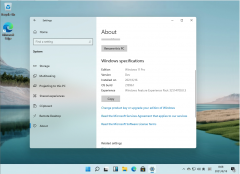


Mastering Windows Updates: The Ultimate Guide to Tools and Techniques
Introduction
Keeping your Windows system updated is crucial for optimal performance, security, and functionality. In this guide, we will explore various tools and techniques to help you master Windows updates like a pro. Whether you're a novice user or a seasoned tech enthusiast, this article will provide you with valuable insights and resources.
Understanding Windows Updates
Windows updates consist of patches, feature upgrades, and security fixes provided by Microsoft. These updates ensure that your operating system runs smoothly and stays secure. However, managing these updates can sometimes be a challenge, especially with the frequent changes and enhancements.
The Importance of Regular Updates
Regularly updating your Windows system is essential for:
- Security: Protects your system from vulnerabilities and cyber threats.
- Performance: Enhances system speed and efficiency.
- New Features: Provides access to the latest features and improvements.
Essential Tools for Windows Update Management
Several tools can simplify the process of downloading and installing Windows updates. Here are some of the most effective:
1. Windows Update Assistant
The Windows Update Assistant is a built-in tool that helps you manually download and install the latest Windows updates. It's straightforward and user-friendly, making it easy to keep your system up-to-date.
2. WSUS Offline Update
If you are managing multiple systems, WSUS Offline Update is an invaluable tool. It allows you to download all the necessary updates for offline installation, making it perfect for environments with limited internet access.
3. Chocolatey
Chocolatey is a package manager for Windows that makes it easy to download and install various applications, including system updates. With a simple command, you can keep your software up-to-date without the hassle of manual installations.
Step-by-Step Guide to Installing Updates
Follow these steps to ensure a seamless installation of updates on your Windows system:
1. Check for Updates
Navigate to Settings > Update & Security > Windows Update. Click on Check for updates to see if any new updates are available.
2. Downloading Updates
If updates are available, click on Download and allow the process to complete. Make sure to have a stable internet connection to avoid interruptions.
3. Installing Updates
Once the updates are downloaded, click on Install. Your system may prompt you to restart; ensure you save your work before proceeding.
Troubleshooting Update Issues
Sometimes, users face challenges during the update process. Here are common issues and their solutions:
1. Update Fails to Install
Try running the Windows Update Troubleshooter. Go to Settings > Update & Security > Troubleshoot > Additional troubleshooters and select Windows Update.
2. Slow Update Downloads
If your update downloads are slow, check your internet connection or consider using a wired connection for better stability.
Conclusion
Mastering Windows updates is crucial for maintaining the health and security of your system. By utilizing the tools and techniques outlined in this guide, you can ensure that your Windows experience is smooth and up-to-date. Regular updates not only enhance your system's performance but also protect you from various cyber threats. Start implementing these strategies today for a better Windows experience!
免责声明:All articles and pictures on this site are from user sharing and Internet collection. The copyright of articles and pictures belongs to the original author and original source. They are for learning and reference only. Please do not use them for commercial purposes. If your rights are damaged, please contact the website customer service.
Related articles
-

Top 7 Free Software
Explore the top 7 free software downloads for creative Windows users. Enhance your projects with these powerful applications
2026-09-05 -
Essential Tools for
Explore essential tools for maintaining your Windows system with our comprehensive user’s guide to keep your PC running smoothly
2026-09-05 -
Step-by-Step Guide:
Learn how to easily download and update essential software applications on your Windows PC. Step-by-step instructions included
2026-09-05 -
Your Complete Guide
Learn how to safely download software for your Windows system. Follow our guide to avoid malware and ensure a secure installation
2026-09-05 -
Master Your Windows
Discover the must-have software and system tools to enhance your Windows experience with our detailed guide. Learn how to download and install the bes...
2026-09-05