A Beginner's Guide to Using Windows Task Manager for System Optimization
Introduction
Windows Task Manager is a powerful tool for managing applications and system resources. Understanding how to utilize this tool effectively can significantly enhance your PC's performance. This beginner's guide will walk you through the essentials of using Task Manager for system optimization.
Accessing Task Manager
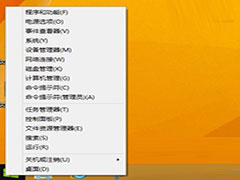
You can access Task Manager in several ways:
- Press Ctrl + Shift + Esc.
- Right-click on the taskbar and select Task Manager.
- Press Ctrl + Alt + Delete and choose Task Manager.
Understanding the Interface
Once opened, you’ll see several tabs: Processes, Performance, Users, Details, and Services. Each tab provides different information about your system's performance and resource usage.
Managing Processes
The Processes tab displays all running applications and the resources they are consuming. If an application is unresponsive, you can click on it and select End Task to close it. This can free up system resources.
Monitoring Performance
The Performance tab offers real-time statistics on CPU, memory, disk, and network usage. Keeping an eye on these metrics can help you identify any bottlenecks in your system.
Checking Startup Programs
Using the Startup tab, you can manage programs that start automatically when Windows boots. Disabling unnecessary startup apps can significantly improve your system's startup time.
Services Management
The Services tab allows you to view and manage all Windows services. Stopping unnecessary services can help optimize system performance, but be cautious not to disable critical services.
Conclusion
Windows Task Manager is an invaluable tool for optimizing your system. By understanding its features and functionalities, you can better manage your resources and enhance your overall computing experience. Regularly monitoring your system can lead to significant improvements in performance.
免责声明:All articles and pictures on this site are from user sharing and Internet collection. The copyright of articles and pictures belongs to the original author and original source. They are for learning and reference only. Please do not use them for commercial purposes. If your rights are damaged, please contact the website customer service.
Related articles
-

The Essential Guide
Explore the essential system tools for Windows that can optimize your PC performance. Learn how to use them effectively
2026-08-17 -
A Beginner's Guide t
Learn how to use System Restore in Windows to recover your system to a previous state and troubleshoot issues
2026-08-17 -
Top 10 Must-Have App
Discover the top 10 must-have applications for Windows that can streamline your workflows and boost productivity. Download now!
2026-08-17 -
The Ultimate Guide t
Learn how to manage and perform software updates for your apps on Windows. Discover best practices to keep your software running smoothly and securely
2026-08-17 -
Top 5 Essential Soft
Discover the top 5 essential software tools for optimizing your Windows system. Download now to enhance performance and streamline your PC experience
2026-08-17