







Extreme Weather Events Highlight Climate Change Urgency
Understanding the Current Context
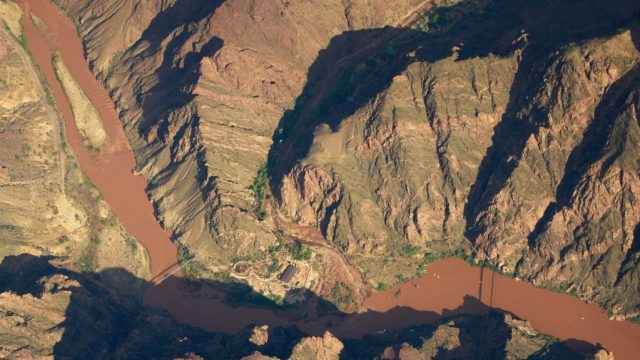
The Grand Canyon is a stunning natural wonder; however, it has recently been in the spotlight due to severe flooding and wildfire threats that are increasingly linked to climate change. These weather events are not only destructive but are also becoming a common narrative across the globe, particularly in vulnerable areas like those in Southeast Asia.
Key Takeaways
- Grand Canyon experiences severe flooding and wildfires this season.
- El Niño effects may be exacerbating extreme weather risks.
- Long-term climate change is causing more frequent extreme weather.
- Burn scars from previous wildfires lead to faster flooding.
- Global implications affect regions, including Southeast Asia and Indonesia.
Climate Change and Extreme Weather: What’s Happening?
In recent weeks, the Grand Canyon has been subjected to unprecedented flooding, a phenomenon that, while not uncommon during the monsoon season, has been intensified by the El Niño climate pattern. This year’s El Niño is being closely monitored by meteorologists due to indications that it may strengthen storms and alter weather patterns significantly.
Alongside the flooding, wildfires continue to pose a threat to various regions. The burn scars left by past fires create conditions that lead to rapid runoff during heavy rains, resulting in flash floods that can devastate landscapes and communities. This compounding effect of weather events is a wake-up call to the urgency of addressing climate change.
Understanding El Niño’s Role
El Niño is a climate phenomenon characterized by the warming of ocean surface temperatures in the Pacific, which significantly influences weather patterns across the globe. This year, experts believe that the current El Niño could be one of the strongest in recent history, likely intensifying storms and leading to more erratic weather conditions.
The Wildfire-Flood Nexus
Areas previously affected by wildfires face heightened flood risks. When vegetation is burned away, the soil loses its ability to absorb water, which can lead to rapid runoff and flash flooding. This reality highlights the cyclical nature of climate impacts, where worsening conditions lead to further problems, hence why regions like Southeast Asia, including Indonesia’s provinces of Jakarta, Surabaya, and Bali, must prepare for similar scenarios.
What This Means for the Future
The intersection of flooding and wildfires is a critical concern for environmentalists and policymakers alike. As climate change accelerates, regions that may have previously been overlooked are now facing serious threats. Countries in the ASEAN region, particularly Indonesia, must focus on sustainable practices and disaster preparedness to mitigate these risks effectively.
With ongoing climate change, understanding these trends is essential for future planning. The lessons learned from the Grand Canyon’s recent experiences should inform global strategies aimed at preserving both natural landscapes and human communities.
Global Implications of Local Events
The extreme weather patterns witnessed in the Grand Canyon are echoed worldwide. From floods in Southeast Asia to wildfires in Australia, the urgency for a collective response is more critical than ever. Nations must collaborate on climate action initiatives, sharing technology and strategies to combat the growing threat of extreme weather.
Conclusion
The unfolding events in the Grand Canyon serve as a stark reminder of the realities of climate change, affecting regions worldwide. Understanding the role of climate phenomena such as El Niño and the consequences of wildfires is vital in addressing these challenges. There’s an urgent need for communities, especially in vulnerable areas like Southeast Asia, to adapt and prepare for an uncertain climate future.
免责声明:All articles and pictures on this site are from user sharing and Internet collection. The copyright of articles and pictures belongs to the original author and original source. They are for learning and reference only. Please do not use them for commercial purposes. If your rights are damaged, please contact the website customer service.
Related articles
-

Why Alternative Link
Explore the importance of alternative links for online gambling platforms in Indonesia. Stay updated on the latest trends and options
2026-09-04 -

Navigating the Excit
Explore the latest in online gaming, including Sensasi Win Slot and RTP Autospin88, plus tools for football club logo design. Dive in now!
2026-09-04 -

Exploring the Beauty
Unveil the significance of morning routines and their poetic essence. Join us as we explore the beauty of awakening each day
2026-09-04 -
New Legislation Aims
A new anti-human trafficking bill aims to close legal loopholes exposed by the Epstein investigation. Learn about the changes and their significance
2026-09-04 -
Exciting WSL Kickoff
Discover key insights for the WSL opening match between London City Lionesses and Manchester United. Get ready for an exhilarating season opener!
2026-09-04