The Complete Guide to Downloading and Installing Windows Applications
Introduction to Downloading and Installing Windows Applications
Downloading and installing applications on Windows can seem daunting, but with the right guidance, the process can be seamless and straightforward. This comprehensive guide will walk you through every step of downloading and installing various applications, ensuring you have the tools you need to enhance your PC experience.
Understanding the Download Process
Before jumping into downloads, it’s crucial to understand where to find software. Applications can be downloaded from several places, including the Microsoft Store, official websites, and trusted third-party platforms. Always opt for reputable sources to avoid harmful malware that can compromise your system.
Step 1: Choosing the Right Application
When selecting an application, consider your needs—whether it's for productivity, entertainment, or system maintenance. Popular choices include:
- Office Applications: Microsoft Office, LibreOffice
- Media Players: VLC Media Player, iTunes
- Browsers: Google Chrome, Mozilla Firefox
Step 2: Downloading the Application
Once you've chosen your application, navigate to the official download page. Click the download button, and your browser will save the installer file, usually in the 'Downloads' folder. Verify that the file extension is correct—typically .exe or .msi for Windows applications.
Step 3: Installing the Application
After downloading, locate the installer in your 'Downloads' folder. Double-click the file to initiate the installation process. Depending on the application, you might be prompted to:
- Agree to the terms and conditions
- Select the installation location
- Choose a type of installation (typical or custom)
Follow the prompts to complete the installation. This process may take a few minutes, depending on the size of the application.
Step 4: Launching the Application
Once installed, you can find the application in the Start menu or on your desktop. Double-click the application icon to launch it. If it’s your first time using the software, you may need to configure initial settings or sign in with an account.
Step 5: Keeping Applications Updated
To ensure your applications run smoothly, keep them updated. Many applications have an automatic update feature, notifying you when a new version is available. It's advisable to enable this feature to benefit from security patches and new features.
Troubleshooting Common Installation Issues
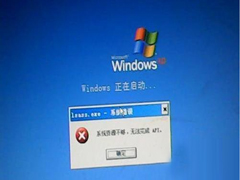
If you encounter issues during the download or installation process, consider these tips:
- Check your internet connection.
- Ensure your Windows system meets the software requirements.
- Temporarily disable antivirus software that may block installations.
Conclusion
Downloading and installing Windows applications doesn’t have to be a complicated task. By following the steps outlined in this guide, you can easily enhance your Windows PC with the necessary software tools. Remember to choose reputable sources, keep your applications updated, and troubleshoot any issues promptly for a smooth experience.
免责声明:All articles and pictures on this site are from user sharing and Internet collection. The copyright of articles and pictures belongs to the original author and original source. They are for learning and reference only. Please do not use them for commercial purposes. If your rights are damaged, please contact the website customer service.
Related articles
-

Step-by-Step Guide t
Follow our step-by-step guide to effectively back up your Windows system and secure your important data
2026-08-25 -
Mastering Windows To
Unlock hidden features in Windows tools that can enhance your productivity and efficiency. Master your Windows experience today!
2026-08-25 -
The Importance of So
Understand the critical importance of keeping your software updated to enhance security and performance. Read our comprehensive overview
2026-08-25 -
Mastering Windows 11
Discover the top software downloads to enhance your Windows 11 experience. Boost your productivity with the right apps and tools
2026-08-25 -
Top 5 Free Windows T
Discover the top 5 free tools for system maintenance and repair on Windows. Keep your PC running smoothly with these essential utilities
2026-08-25