Mastering the Art of Software Installation on Windows: A Comprehensive Guide
Introduction
Installing software on your Windows PC is a fundamental skill that every user should possess. Whether you're setting up a new system or updating existing applications, understanding the installation process is crucial for maintaining optimal performance. In this guide, we will explore the various methods of software installation, how to effectively manage updates, and tips for troubleshooting common issues.
Why Software Installation Matters
Software installation is not just about getting an application to run on your computer; it’s about ensuring that your system remains secure, efficient, and compatible with your needs. Regular updates can provide essential security patches, new features, and improvements that enhance the user experience.
Preparing for Installation
Before diving into the installation process, there are several preparatory steps you should take:
- Check System Requirements: Ensure that your PC meets the minimum requirements specified by the software developer.
- Backup Your Data: Always back up your important files before installing new software to prevent data loss during installation.
- Free Up Space: Make sure your hard drive has enough space available for the new software.
Methods of Software Installation
Using the Microsoft Store
The Microsoft Store provides a straightforward way to download and install apps directly onto your Windows system. Here’s how to do it:
- Open the Microsoft Store from the Start menu.
- Search for the desired app.
- Click on the app and then hit the 'Get' or 'Install' button.
This method is particularly user-friendly and ensures that you receive the latest version of the app.
Downloading Software from the Internet
Many applications are available for direct download from their official websites. Follow these steps:
- Visit the official website of the software.
- Locate the download link (usually labeled 'Download' or 'Get Started').
- Select the appropriate version for your Windows operating system.
- Run the downloaded installer and follow the on-screen instructions.
Installing Software Manually
For advanced users, manual installation may be necessary. This involves downloading installation files and configuring settings. Ensure you understand the process before proceeding, as incorrect installations can lead to system issues.
Using Command Line for Installation
If you prefer using the command line for installation, the following steps can be used:
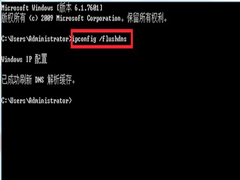
- Open the Command Prompt as an administrator.
- Navigate to the directory where the installation file is located.
- Type the name of the installer followed by any necessary command-line arguments.
Updating Installed Software
Keeping your software updated is just as important as the initial installation. Most applications will notify you of available updates, but you can also check manually:
- Open the application and navigate to the 'Help' or 'Settings' menu.
- Look for an option that says 'Check for Updates'.
- Follow the prompts to install any available updates.
Troubleshooting Installation Issues
Sometimes, installations do not go as planned. Here are common issues and their fixes:
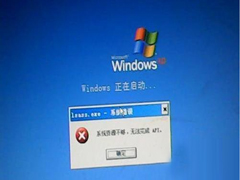
- Installation Fails: Check if your antivirus is blocking the installation. Temporarily disable it if necessary.
- Software Not Compatible: Ensure you have the correct version for your Windows platform (32-bit or 64-bit).
- Insufficient Disk Space: Free up space on your hard drive to allow for the installation.
Conclusion
By mastering the software installation process on your Windows system, you ensure a smoother and more productive computing experience. Always remember to keep your applications updated and regularly check for new tools that can enhance your system's performance. Visit Drisano for more tutorials, downloads, and updates on the latest software applications.
免责声明:All articles and pictures on this site are from user sharing and Internet collection. The copyright of articles and pictures belongs to the original author and original source. They are for learning and reference only. Please do not use them for commercial purposes. If your rights are damaged, please contact the website customer service.
Related articles
-

Downloading Software
Learn how to download software safely to protect your PC from malware and other threats. Follow our comprehensive guide for safe downloads
2026-08-08 -
Quick Guide to Downl
Follow our quick guide to download and install new apps on your Windows PC. Get the most out of your system with the best applications
2026-08-08 -
How to Properly Upda
Learn how to efficiently update your software for optimal performance. Follow our complete guide to ensure you‘re always up-to-date
2026-08-08 -
Master Your Windows
Unlock the potential of your Windows system with our comprehensive guide to essential software downloads and system tools. Learn how to install, updat...
2026-08-08 -
The Best Apps for Bo
Explore the best apps for enhancing productivity on Windows. Discover tools that help you manage time, tasks, and projects effectively
2026-08-08