
The Ultimate Guide to Installing and Updating Your Windows Software: Boost Your PC Performance
The Importance of Regular Software Updates
Keeping your Windows software updated is crucial for maintaining the performance and security of your PC. Regular updates ensure that your system is protected against vulnerabilities and bugs that could compromise your data or slow down your machine. In this guide, we will explore how to efficiently install and update software on your Windows system, whether it's a crucial operating system update, or a new app to enhance your productivity.
Understanding Software Installation
Installing software on your Windows PC can seem daunting at first, but it doesn't have to be. Here’s a step-by-step guide on how to install software properly:
1. Downloading the Software
The first step in installing software is downloading it from a reliable source. Always ensure that you are downloading from official websites or trusted platforms. Here are some popular software download sites you can consider:
- Microsoft Store
- Softpedia
- CNET Download
2. Running the Installation File
Once you have downloaded the installation file (usually an .exe or .msi file), locate it in your Downloads folder. Double-click the file to run the installer. If prompted by User Account Control, click 'Yes' to allow changes to your device.
3. Following the Installation Wizard
The installation wizard will guide you through the setup process. You may need to accept terms and conditions and choose the installation location. It's advisable to stick with the default settings unless you have a specific need to change them.
Best Practices for Updating Windows Software
Updating your software is just as important as installing new applications. Here are key practices to help you keep your software up to date:
1. Enable Automatic Updates
Most software applications offer the option to enable automatic updates. This feature ensures that you receive the latest versions and security patches without having to check manually. To enable automatic updates on Windows, go to Settings > Update & Security > Windows Update and toggle on 'Get updates for other Microsoft products.'
2. Regularly Check for Updates
Even with automatic updates enabled, it's essential to periodically check for updates manually. Go to Settings > Update & Security > Windows Update and click 'Check for updates.' This step ensures that nothing slips through the cracks.
3. Use Update Management Tools
Various tools can assist you in managing updates for multiple applications. Software like Ninite can help you install and update a batch of software with a single click, saving you time and effort.
Troubleshooting Software Installation and Update Issues
Sometimes, you may encounter issues during installation or while updating software. Here are a few common problems and their solutions:
1. Installation Errors
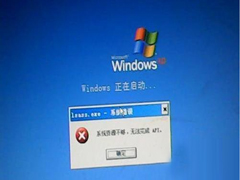
If the installation fails, ensure that your Windows is up to date. Check for system requirements for the application you are trying to install, and ensure that you have sufficient disk space.
2. Update Failures
If updates aren't applying correctly, try restarting your computer and checking for updates again. If issues persist, consider uninstalling and reinstalling the application.
Conclusion
Regularly installing and updating software on your Windows PC is key to ensuring optimal performance and security. By following the guidelines provided in this article, you can confidently manage your software installations and updates, keeping your system running smoothly and efficiently. Start implementing these best practices today and enjoy a more robust computing experience!
免责声明:All articles and pictures on this site are from user sharing and Internet collection. The copyright of articles and pictures belongs to the original author and original source. They are for learning and reference only. Please do not use them for commercial purposes. If your rights are damaged, please contact the website customer service.
Related articles
-

How to Completely Un
Learn how to completely uninstall software from your Windows PC with this detailed guide, ensuring no remnants are left behind
2026-09-07 -
Top Software Downloa
Discover the top software downloads that can help maximize your gaming experience and improve performance
2026-09-07 -
How to Install and U
Learn how to install and update Windows applications easily. Follow our step-by-step guide for hassle-free software management
2026-09-07 -
Mastering Windows Sy
Improve your Windows system performance with optimization tools. Discover techniques and software to enhance speed and efficiency
2026-09-07 -
How to Easily Update
Learn how to easily update your Windows software and apps to ensure optimal performance and security. Follow our simple guide
2026-09-07