

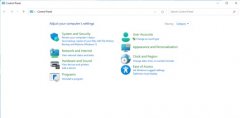
A Beginner's Guide to Windows System Tools: What You Need to Know
Introduction
Windows comes equipped with a variety of system tools to help users manage and troubleshoot their systems effectively. This beginner's guide highlights the most essential tools.
1. Task Manager
Task Manager allows users to monitor system performance and manage running applications.
Accessing Task Manager
Press Ctrl + Shift + Esc to open Task Manager quickly.
2. Disk Cleanup
This built-in utility helps free up space by removing unnecessary files from your system.
Using Disk Cleanup
Search for Disk Cleanup in the start menu and follow the prompts to select files for deletion.
3. System Configuration (msconfig)
msconfig allows users to control startup processes and services, which can improve boot time.
Modifying Startup Programs
Access msconfig by typing it in the Run dialog (Win + R), and navigate to the Startup tab to manage startup items.
4. Event Viewer
The Event Viewer logs system events and errors, which can be invaluable for troubleshooting issues.
Analyzing Event Logs
Open Event Viewer by searching in the start menu, and review the logs under Windows Logs.
Conclusion
Understanding these Windows system tools will provide a strong foundation for effective system management and troubleshooting.
免责声明:All articles and pictures on this site are from user sharing and Internet collection. The copyright of articles and pictures belongs to the original author and original source. They are for learning and reference only. Please do not use them for commercial purposes. If your rights are damaged, please contact the website customer service.
Related articles
-

Top 7 Free Software
Explore the top 7 free software downloads for creative Windows users. Enhance your projects with these powerful applications
2026-09-05 -
Essential Tools for
Explore essential tools for maintaining your Windows system with our comprehensive user’s guide to keep your PC running smoothly
2026-09-05 -
Step-by-Step Guide:
Learn how to easily download and update essential software applications on your Windows PC. Step-by-step instructions included
2026-09-05 -
Your Complete Guide
Learn how to safely download software for your Windows system. Follow our guide to avoid malware and ensure a secure installation
2026-09-05 -
Master Your Windows
Discover the must-have software and system tools to enhance your Windows experience with our detailed guide. Learn how to download and install the bes...
2026-09-05