

Mastering Windows: The Ultimate Guide to Efficient Software Downloads and Updates
Introduction to Windows Software Management
In today's fast-paced digital world, keeping your Windows system updated with the latest software and tools is essential. Not only does this ensure optimal performance, but it also keeps your system secure from vulnerabilities. In this guide, we'll walk you through the steps to efficiently download, install, and update software on your Windows PC.
Understanding System Requirements
Before diving into the download process, it’s crucial to understand the system requirements for the software you wish to install. Every application has its own specific needs regarding memory, processing power, and operating system compatibility. To avoid issues during installation, ensure your system meets or exceeds these requirements.
Checking Your System Specifications
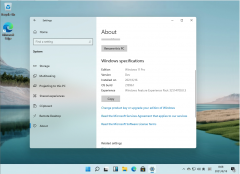
You can check your Windows specifications by right-clicking on the 'This PC' icon and selecting 'Properties.' Here, you’ll see details about your system's processor, RAM, and operating system version. Make sure to note this information down as you browse for software.
Finding Reliable Sources for Software Downloads
When it comes to downloading software, always opt for reputable sources. This not only guarantees that you receive an unaltered version of the software but also protects your system from malware and viruses. Websites like Microsoft's official site, Softpedia, and FileHippo are excellent choices for safe downloads.
Downloading Software Safely
Once you’ve identified a reputable website, follow these steps for a safe download:
- Locate the download button on the software page. Ensure you are clicking the correct link and not advertisements.
- Some sites may require you to create an account before downloading. Be sure to read their privacy policy.
- Click the download link and wait for the file to save to your computer. Make sure to note the download location.
Installing Software on Windows
After downloading the software, it’s time to install it. Most software comes in executable (.exe) files. Here’s how to install:
- Navigate to the folder where the downloaded file is saved.
- Double-click the executable file to initiate the installation process.
- Follow the on-screen instructions. You may need to agree to the End User License Agreement (EULA) and select installation preferences.
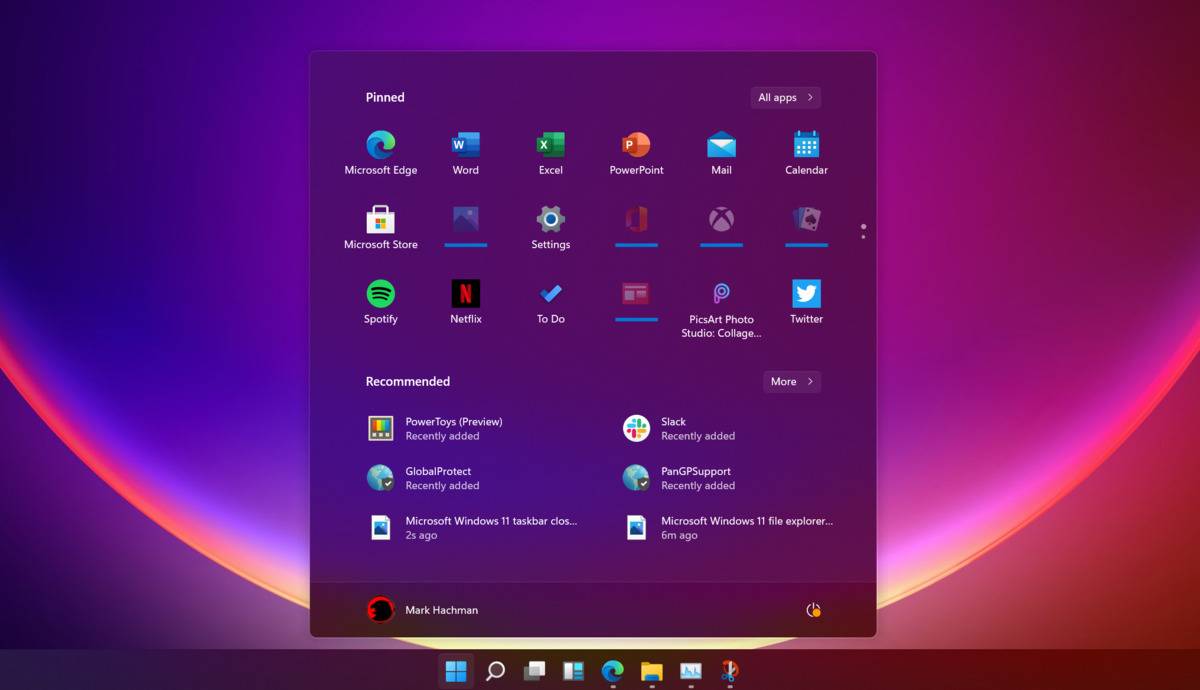
- Once installation is complete, you can find the software in your Start Menu or desktop.
Updating Your Software
Keeping your software updated is just as important as installing them. Updates often include patches for security vulnerabilities, bug fixes, and new features. Here’s how you can update your software:
- Open the software you wish to update.
- Look for an 'Update' option under the settings or help menu.
- Follow the prompts to download and install the latest version.
Using Windows Update
Windows itself offers updates that can improve system performance and security. To check for Windows updates:
- Go to the Start Menu and click on 'Settings'.
- Select 'Update & Security'.
- Click on 'Check for updates'.
- Follow the prompts to install any available updates.
Best Software Tools to Consider for Download
Here are some essential software tools you might want to consider downloading for your Windows system:
- Antivirus Software: Keep your system safe from malware. Options include Norton, Bitdefender, and Avast.
- Productivity Tools: Applications like Microsoft Office or LibreOffice can enhance your productivity.
- File Management Apps: Tools like WinRAR or 7-Zip help you manage compressed files effectively.
- Media Players: VLC Media Player is a versatile option for playing various media formats.
Conclusion
Mastering software downloads, installation, and updates on your Windows system is crucial for maintaining a smooth and secure computing experience. By following the steps outlined in this guide, you’ll be well-equipped to enhance your productivity and protect your data. Stay tuned to drisano.com for more tutorials and updates on the latest software tools!
免责声明:All articles and pictures on this site are from user sharing and Internet collection. The copyright of articles and pictures belongs to the original author and original source. They are for learning and reference only. Please do not use them for commercial purposes. If your rights are damaged, please contact the website customer service.
Related articles
-

Mastering Windows: T
Unlock the full potential of your Windows system with our ultimate guide on software downloads, installation, and updates. Learn how to streamline you...
2026-08-26 -
Step-by-Step Guide t
Learn how to download and use portable apps on your Windows system. Enjoy flexibility and convenience with our step-by-step guide
2026-08-26 -
Essential Tools for
Discover the best tools to enhance your Windows experience. Download, install, and update essential software with our comprehensive guide
2026-08-26 -
A Comprehensive Guid
Learn the best methods for downloading and installing apps on your Windows PC. This guide covers everything from the Microsoft Store to third-party do...
2026-08-26 -
Avoiding Common Pitf
Learn how to avoid common pitfalls when installing software on Windows. Ensure a smooth installation experience with our expert tips
2026-08-26