

The Ultimate Guide to Optimizing Windows for Performance
Introduction
In today's fast-paced digital world, having a smooth-running Windows system is crucial for productivity. This guide offers step-by-step instructions to optimize your Windows performance, ensuring you get the best out of your hardware and software.
Understanding Your System
Before diving into optimization, it’s essential to understand your system's specifications. Check the RAM, CPU, and storage capabilities to establish a baseline for performance improvement.
Checking System Specifications
To check your specifications, right-click on 'This PC' and select 'Properties'. You should note your RAM and processor speed. This information will guide your optimization process.
Essential Software Tools
There are several software tools that can help boost your system's performance. Here are some of the best:
CCleaner
CCleaner is a powerful tool that removes unnecessary files and optimizes your system. Regular maintenance can significantly enhance performance.
Malwarebytes
Ensuring your system is free of malware is crucial. Malware can slow down your system and pose security risks.
Windows Update
Regular system updates can improve performance and security. Make sure your Windows is always up to date.
Disk Cleanup
One of the first steps you can take to optimize your Windows performance is performing a disk cleanup. This process removes temporary files, system files, and emptying the recycle bin.
How to Perform Disk Cleanup
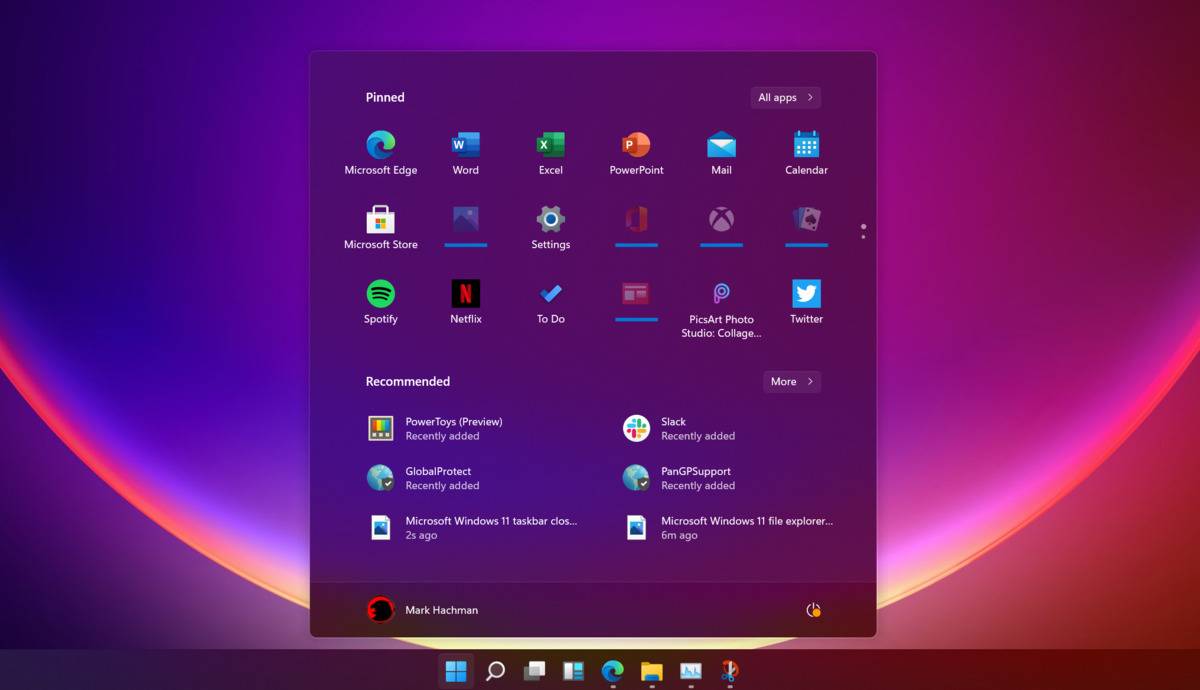
1. Search for 'Disk Cleanup' in the Start menu.
2. Select the drive you want to clean.
3. Follow the prompts to delete unnecessary files.
Managing Startup Programs
Many programs load at startup, impacting your system's boot time and overall performance. Here’s how to manage them:
Disable Unnecessary Startup Programs
1. Press Ctrl + Shift + Esc to open Task Manager.
2. Go to the 'Startup' tab.
3. Disable programs that you don’t need at startup.
Defragmenting Your Hard Drive
If you're using an HDD, defragmenting is an effective way to enhance performance. Here’s how to do it:
Steps to Defragment
1. Search for 'Defragment and Optimize Drives' in the Start menu.
2. Select the drive you want to defragment.
3. Click 'Optimize'.
Conclusion
By following these steps and utilizing the right tools, you can significantly enhance your Windows performance. Regular maintenance is key to a fast and responsive system.
免责声明:All articles and pictures on this site are from user sharing and Internet collection. The copyright of articles and pictures belongs to the original author and original source. They are for learning and reference only. Please do not use them for commercial purposes. If your rights are damaged, please contact the website customer service.
Related articles
-

Essential Tools for
Discover essential tools to manage Windows updates efficiently. Keep your system secure and up-to-date effortlessly
2026-08-22 -
Step-by-Step Guide t
Learn how to effectively download and install drivers for your Windows system with this comprehensive guide
2026-08-22 -
The Top 5 Free Apps
Explore the top 5 free apps every Windows 10 user should download to enhance their experience
2026-08-22 -
The Ultimate Guide t
Discover how to optimize your Windows system for peak performance with our comprehensive guide. Enhance speed and efficiency easily!
2026-08-22 -
Mastering Windows 11
Discover the must-have software tools to elevate your Windows 11 experience. Learn how to download, install, and update these essential applications
2026-08-22