


The Ultimate Guide to Updating Your Software and Apps on Windows
The Ultimate Guide to Updating Your Software and Apps on Windows
Keeping your software and apps up to date is crucial for maintaining system performance and security. Outdated programs might expose your device to vulnerabilities and bugs that can compromise your personal information. In this guide, we will explore effective methods for updating your software and apps on Windows, ensuring a secure and efficient computing experience.
Why Updating Software is Important
Regular updates are vital for several reasons. Firstly, they often include security patches that protect your system from malicious attacks. Secondly, updates may provide new features and enhancements that improve user experience and application performance. Lastly, keeping your software up to date ensures compatibility with other applications, reducing the likelihood of crashes or errors.
1. Using Windows Update
Windows has a built-in Update feature that simplifies the process of keeping your system up to date. To access this feature, go to Settings > Update & Security > Windows Update. From there, you can check for updates and install any that are available. Regularly checking for updates will help you stay ahead of potential security threats.
2. Updating Third-Party Applications
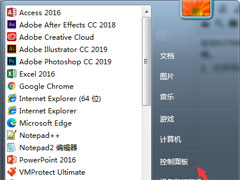
Many users may overlook third-party applications when considering updates, but these programs also require regular attention. Most popular software will have built-in update features. For example, applications like Adobe Reader or Google Chrome will prompt you when an update is available. Always accept these prompts to ensure your software is current.
3. Manual Updates: The Direct Download Method
In some cases, you may need to manually download updates from the software vendor's website. This method is common for applications that do not feature automatic updates. To do this, visit the official website of the application, locate the downloads section, and check for the latest version. This process ensures that you're installing the most recent and secure version of the software.
4. Using Software Update Tools
There are various third-party tools designed to facilitate software updates across multiple applications. Tools like Ninite or Patch My PC can help you manage updates efficiently. These programs allow you to select which applications you want to keep updated and handle the installation process automatically, saving you valuable time.
5. Scheduling Regular Updates
Setting a schedule for regular updates can help ensure that your software remains current without disrupting your workflow. For Windows updates, you can configure your settings to download and install updates during off-peak hours. Similarly, schedule time to manually check for updates for your essential applications as part of your routine maintenance.
Conclusion
Updating your software and applications on Windows is a vital practice that enhances the security and efficiency of your system. By understanding the importance of updates and implementing the outlined strategies, you can safeguard your computer from potential threats and enjoy a seamless user experience. Don’t let outdated software slow you down—take action today and keep your system updated!
免责声明:All articles and pictures on this site are from user sharing and Internet collection. The copyright of articles and pictures belongs to the original author and original source. They are for learning and reference only. Please do not use them for commercial purposes. If your rights are damaged, please contact the website customer service.
Related articles
-

Why You Should Updat
Explore the critical reasons for regularly updating your Windows software to enhance security, performance, and access to new features
2026-08-31 -
Essential Software f
Discover essential software tools for remote work that can optimize your Windows PC. Enhance productivity and communication with our top picks!
2026-08-31 -
Top 5 Must-Have Apps
Discover the top 5 applications that enhance the functionality of your Windows system. Boost efficiency, productivity, and overall experience
2026-08-31 -
How to Effectively U
Learn how to keep your Windows software up to date. Discover best practices for updating apps and system software to ensure optimal performance
2026-08-31 -
Exploring the Best D
Discover the best download managers available for Windows in 2023. Boost your download speeds and manage files efficiently
2026-08-31