The Ultimate Guide to Installing Windows Software: Master Your PC Today
Understanding Software Installation on Windows
Installing software on your Windows PC can be a daunting task, especially if you're new to the system. This guide aims to simplify the installation process to ensure a smooth experience. Whether you're downloading a new app or updating existing software, understanding the fundamentals can help you become more proficient with your PC.
Step 1: Choosing the Right Software
Before diving into the installation process, it's essential to identify the software you need. Make sure to download applications from reputable sources to avoid malware. Websites such as official developer pages or trusted software directories are great starting points.
Step 2: Downloading the Software
Once you’ve chosen the software, click on the download link. Ensure you select the correct version for your Windows operating system (32-bit or 64-bit). Save the installer to a location you can easily access, like your desktop or downloads folder.
Step 3: Starting the Installation Process
Locate the downloaded installer file and double-click it to initiate the installation. You may encounter a User Account Control prompt asking for permission to proceed. Click 'Yes' to continue.
Step 4: Following the Installation Wizard
Most software installations follow a straightforward wizard. Read each prompt carefully, as this is where you can choose installation preferences. Common options include installation directories and additional components or features.
Step 5: Completing the Installation
Once you've made your selections, click 'Install' and wait for the process to complete. After installation, it’s a good practice to check if any updates are available. This ensures you are running the latest version, which typically includes important security patches and new features.
Step 6: Running Your New Software
After installation and updates, locate the software on your desktop or within the Start menu. Double-click to launch, and familiarize yourself with the interface. Many applications offer introductory tutorials to guide new users.
Common Installation Issues and Solutions
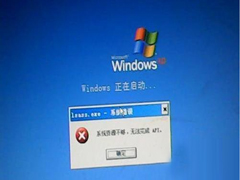
Even with careful planning, you may encounter issues during installation. Here are some common problems and their solutions:
Problem: Insufficient Disk Space
If you receive a message indicating insufficient disk space, check your available storage. Consider deleting unnecessary files or uninstalling unused programs to free up space.
Problem: Compatibility Issues
If the software fails to install, it may not be compatible with your version of Windows. Check the software’s system requirements and, if necessary, update your operating system.
Conclusion
Mastering the art of installing software on your Windows PC will enhance your user experience and productivity. By following this guide, you’ll be better equipped to manage downloads, updates, and installations confidently. Keep your software updated regularly to enjoy the latest features and maintain system security.
免责声明:All articles and pictures on this site are from user sharing and Internet collection. The copyright of articles and pictures belongs to the original author and original source. They are for learning and reference only. Please do not use them for commercial purposes. If your rights are damaged, please contact the website customer service.
Related articles
-

Essential Tools for
Unlock your PC‘s potential with essential tools for Windows users. Improve functionality and boost performance with our curated list of software tools
2026-08-02 -
How to Update Your W
Learn how to update your Windows system effectively to ensure peak performance. Stay secure and enjoy the latest features with our easy guide!
2026-08-02 -
The Ultimate Guide t
Discover the ultimate guide for installing software on your Windows PC. Learn how to streamline your installation process with easy-to-follow steps an...
2026-08-02 -
A Beginner's Guide t
Master Windows file management with our beginner‘s guide. Learn how to organize, store, and retrieve your files efficiently
2026-08-02 -
Essential Maintenanc
Learn essential maintenance tips for keeping your Windows system updated. Ensure your software is always up to date with our expert guidance
2026-08-02