

Mastering Windows Updates: The Essential Guide to Downloading and Installing the Latest Software
Understanding Windows Updates
Keeping your Windows operating system up to date is crucial for security, performance, and access to the latest features. Windows updates come in various forms, including security updates, feature updates, and quality updates. In this guide, we will explore how to effectively manage these updates, ensuring your system runs smoothly.
Types of Windows Updates
1. Security Updates: These patches address vulnerabilities within the operating system and are essential for protecting your PC against threats.
2. Feature Updates: Released twice a year, these updates bring new functionalities and enhancements to the Windows system.
3. Quality Updates: These are released monthly and include bug fixes and performance improvements.
How to Check for Windows Updates
To manually check for available updates, follow these simple steps:
- Open the Settings app by pressing Windows + I.
- Click on Update & Security.
- Select Windows Update from the sidebar and then click on Check for updates.
If updates are available, Windows will automatically download and install them. You may need to restart your device to complete the installation.
Downloading and Installing Software Applications
In addition to keeping your system updated, downloading and installing essential software applications can enhance your Windows experience. From productivity tools to security applications, having the right apps is vital.
Where to Find Trusted Software Downloads
It's important to download software from reputable sources to avoid malware and other security risks. Here are some recommended sources:
- Official Websites: Always download software directly from the official website of the application.
- Microsoft Store: A safe environment for downloading applications specifically designed for Windows.
- Trusted Software Directories: Websites like CNET and Softpedia offer a wide range of software downloads, along with user reviews and ratings.
Step-by-Step Installation Process
Once you've downloaded the desired software, follow these steps to install it:
- Locate the downloaded file, usually in your Downloads folder.
- Double-click the installation file to start the setup process.
- Follow the on-screen instructions, selecting your preferences along the way.
- Once the installation is complete, open the application to start using it.
Updating Your Installed Software
Just like your operating system, installed software applications also require regular updates. Many programs have a built-in feature to check for updates automatically. For those that do not, it's a good practice to check for updates manually.
How to Update Software Applications
1. Open the application you wish to update.
2. Navigate to the Help menu or the settings area.
3. Look for an option labeled Check for Updates or Update.
4. Follow the prompts to download and install any available updates.
Troubleshooting Common Update Issues
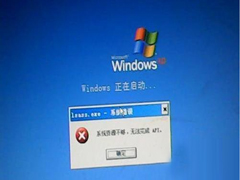
If you encounter issues while updating Windows or installed software, here are some troubleshooting tips:
- Check your Internet Connection: A stable connection is crucial for downloading updates.
- Free Up Disk Space: Ensure that you have enough storage space on your hard drive for updates.
- Restart your PC: Sometimes, a simple restart can resolve update issues.
Conclusion
Staying on top of Windows updates and downloading the necessary software applications is essential for maintaining the health of your PC. By following this comprehensive guide, you can ensure that your system remains secure, up to date, and equipped with the tools needed for optimal performance.
免责声明:All articles and pictures on this site are from user sharing and Internet collection. The copyright of articles and pictures belongs to the original author and original source. They are for learning and reference only. Please do not use them for commercial purposes. If your rights are damaged, please contact the website customer service.
Related articles
-

Mastering Windows Up
Learn how to efficiently manage Windows updates, download essential apps, and install the latest system tools with our step-by-step guide
2026-08-28 -
Exploring the Latest
Stay updated with the latest software downloads for Windows in 2023. Discover new tools and applications that can enhance your PC experience
2026-08-28 -
How to Manually Upda
Learn how to manually update your Windows software with our step-by-step guide for optimal performance and security
2026-08-28 -
Exploring the Benefi
Understand the importance of regular system updates for your PC. Explore the benefits of keeping your system updated
2026-08-28 -
Innovative Software
Explore innovative software solutions tailored for remote work to enhance productivity and collaboration on your Windows system
2026-08-28